Every gym seems to have a recovery room now. Almost nobody is asking the obvious question: recovery from what?
Red light panels. Cryotherapy chambers. Cold plunges, saunas, compression boots, percussion guns, IV drips. Recovery has become an industry of its own, and if your feed looks anything like mine, it's being sold as the main event — the thing standing between you and feeling younger, leaner, and less beat up.
I don't think most of it is nonsense. I think it's being put in the wrong order. And order matters more than almost anything else in health.
Yes, recovery is in my business name — Kinect Fitness and Recovery. But fitness comes first in the name, and it comes first in practice too.
The fair case for the recovery room
Let's give the trendy stuff its due first, because some of it is real:
You genuinely feel better. A meta-analysis of recovery techniques after exercise found that massage, compression, cold water, and active recovery all helped with perceived soreness and fatigue (Dupuy et al., 2018, Frontiers in Physiology). Feeling recovered isn't fake just because it's partly perception — perception is a big part of why people stay consistent.
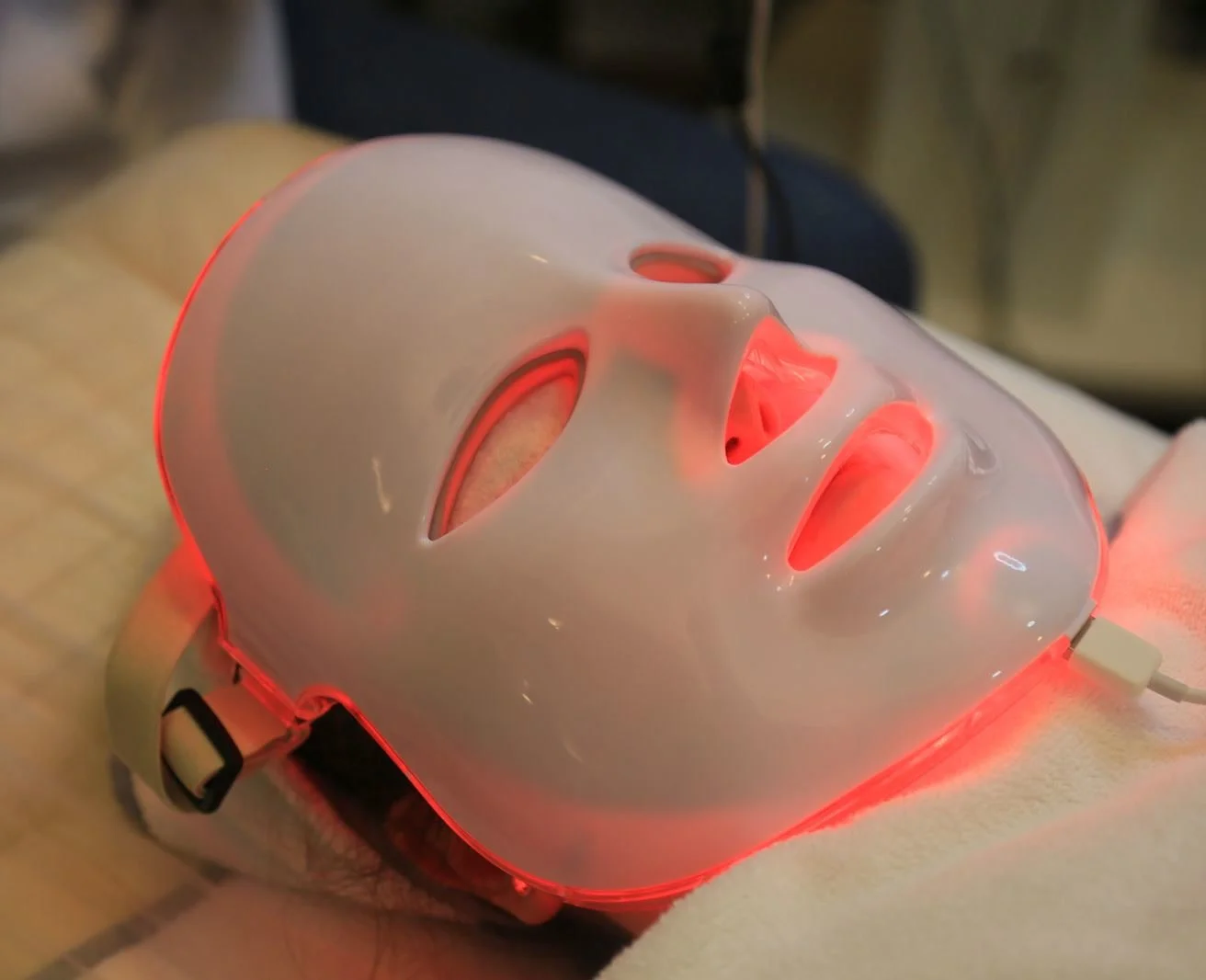
Heat has a real track record. In large Finnish cohorts, people who used a sauna more often had lower rates of cardiovascular death, in a dose-response pattern (Laukkanen et al., 2015, JAMA Internal Medicine). That's observational — sauna users differ from non-users in other ways — but the signal is consistent and the downside is small.
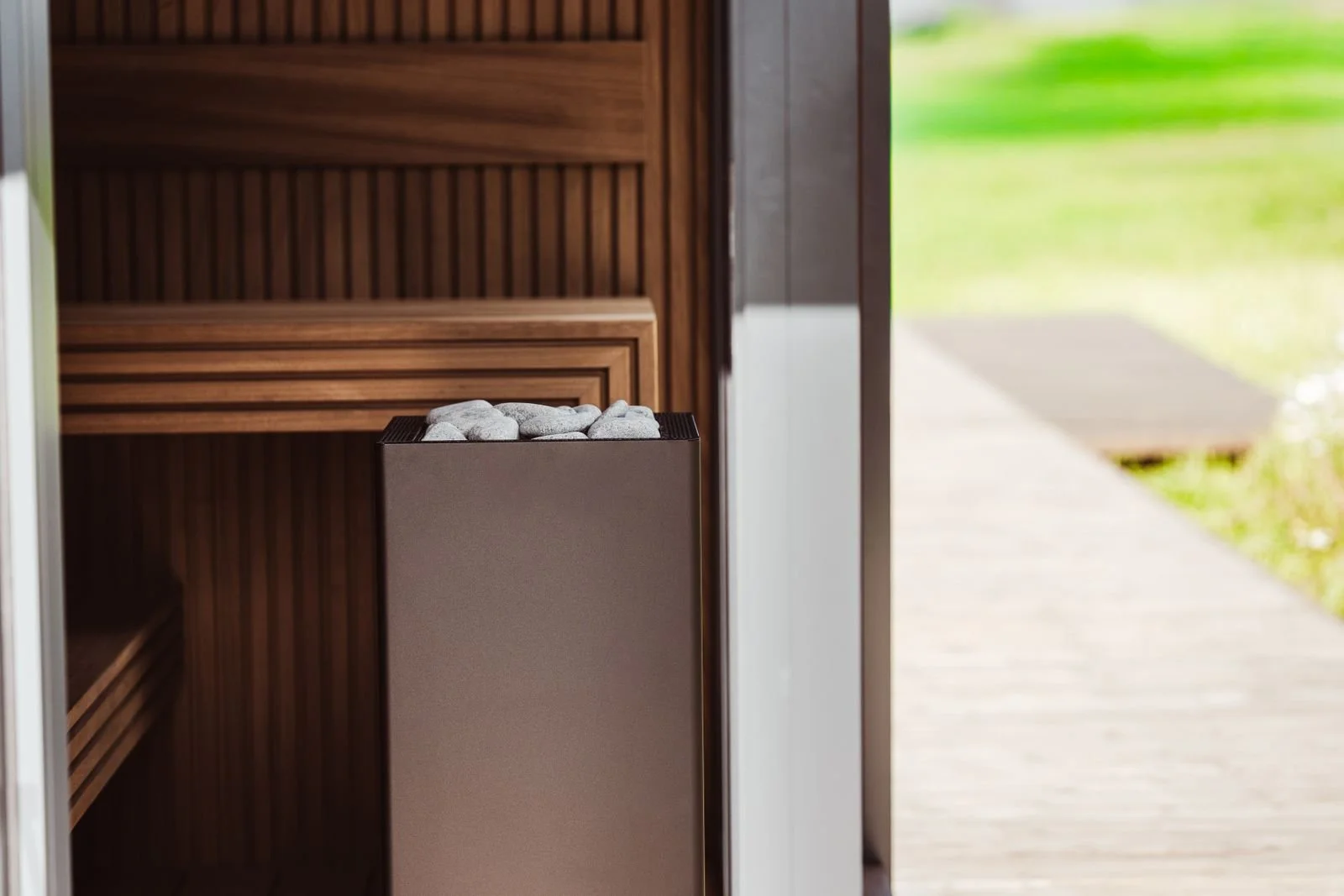
• Red light is a genuine mixed bag. A meta-analysis of 39 trials of photobiomodulation — red and near-infrared light applied to muscle — found small improvements in some performance and fatigue measures. But the reviewers rated the evidence quality very low to moderate, and the protocols varied so wildly that the light in those studies barely resembles a panel in a spa (Vanin et al., 2018, Lasers in Medical Science). Promising isn't the same as proven.
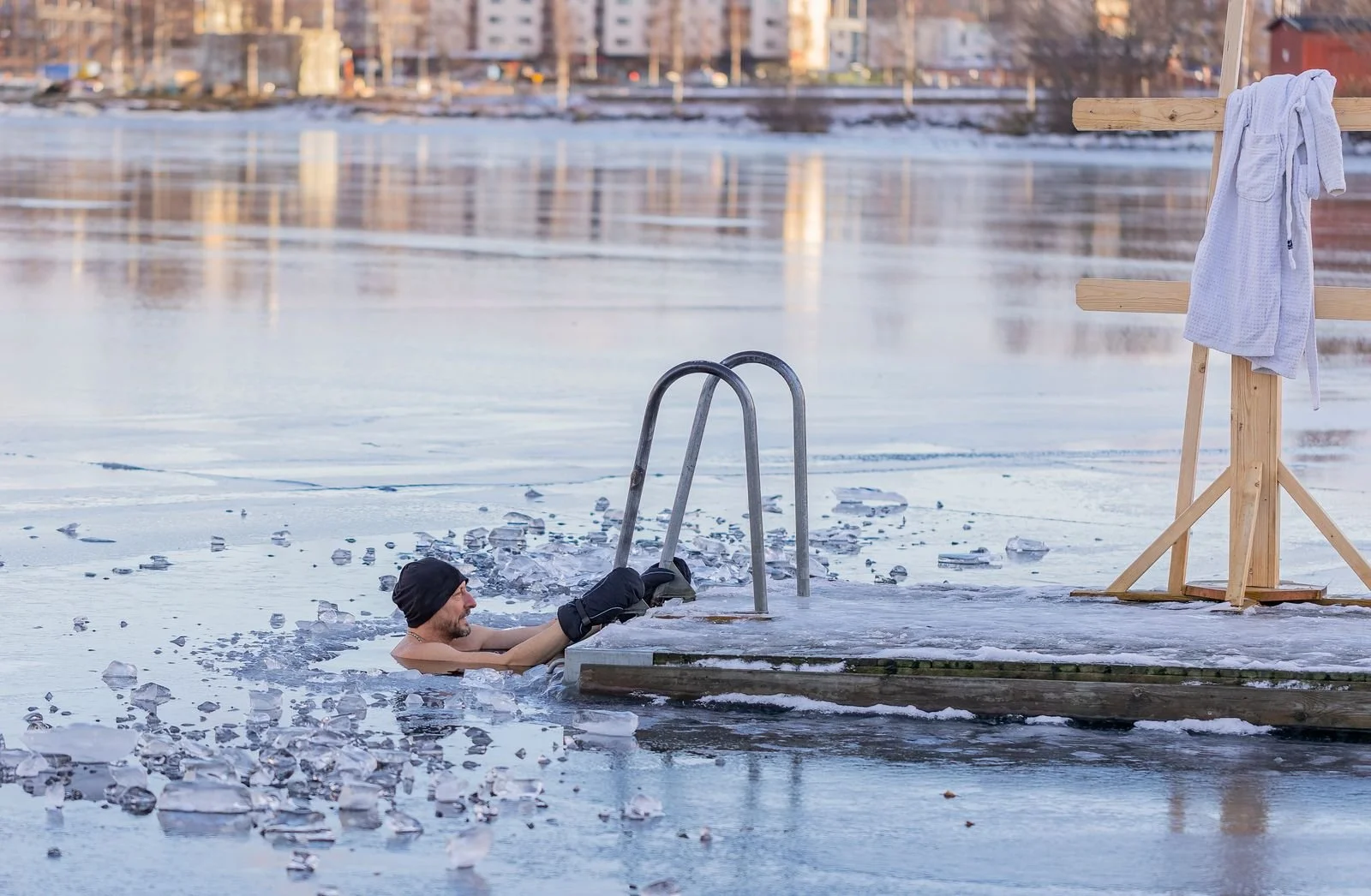
• Cryotherapy has the thinnest file in the room. When Cochrane reviewers went looking for trials of whole-body cryotherapy for muscle soreness, they found just four small ones — 64 people total — and concluded there wasn't enough evidence to say it reduces soreness at all (Costello et al., 2015, Cochrane Database of Systematic Reviews). People still walk out of the chamber feeling great, and that feeling is real. It's just not proof the chamber did something a cold shower couldn't.
• The ritual itself has value. Twenty quiet minutes in a sauna or a plunge is twenty minutes your nervous system gets to downshift. In a chronically stressed, always-on life, a practice that reliably takes you out of fight-or-flight is worth something on its own.
So this isn't a "throw it all out" post. If you love your cold plunge and it makes you feel sharp, keep it. The problem starts when the recovery room becomes the plan.
Recovery is a multiplier, not a foundation
Recovery tools do one job: they help you adapt to and bounce back from a training stimulus. That makes them a multiplier — and a multiplier of a small number is still a small number.
If sleep is short, protein is low, and training is sporadic, there is very little adaptation happening for a cryo chamber to "optimize." You can't out-recover an under-fueled, under-slept, under-trained week. The marketing has the sequence backwards: it sells the finishing touch as if it were the foundation.
There's one more wrinkle worth knowing. Regular cold immersion right after lifting has been shown to blunt some of the strength and muscle gains from that training (Roberts et al., 2015, Journal of Physiology) — and a 2024 meta-analysis focused on muscle growth found the same thing: plunge right after lifting and you modestly reduce the hypertrophy you just trained for (Piñero et al., 2024, European Journal of Sport Science). Used at the wrong time, the trendiest recovery tool in the room can work directly against the pillar that matters most. If you love the plunge, put hours between it and your lifting, or keep it on rest days.
The four pillars that actually move the needle
These aren't glamorous, which is exactly why they don't trend. But this is where the overwhelming majority of your health outcome is decided:
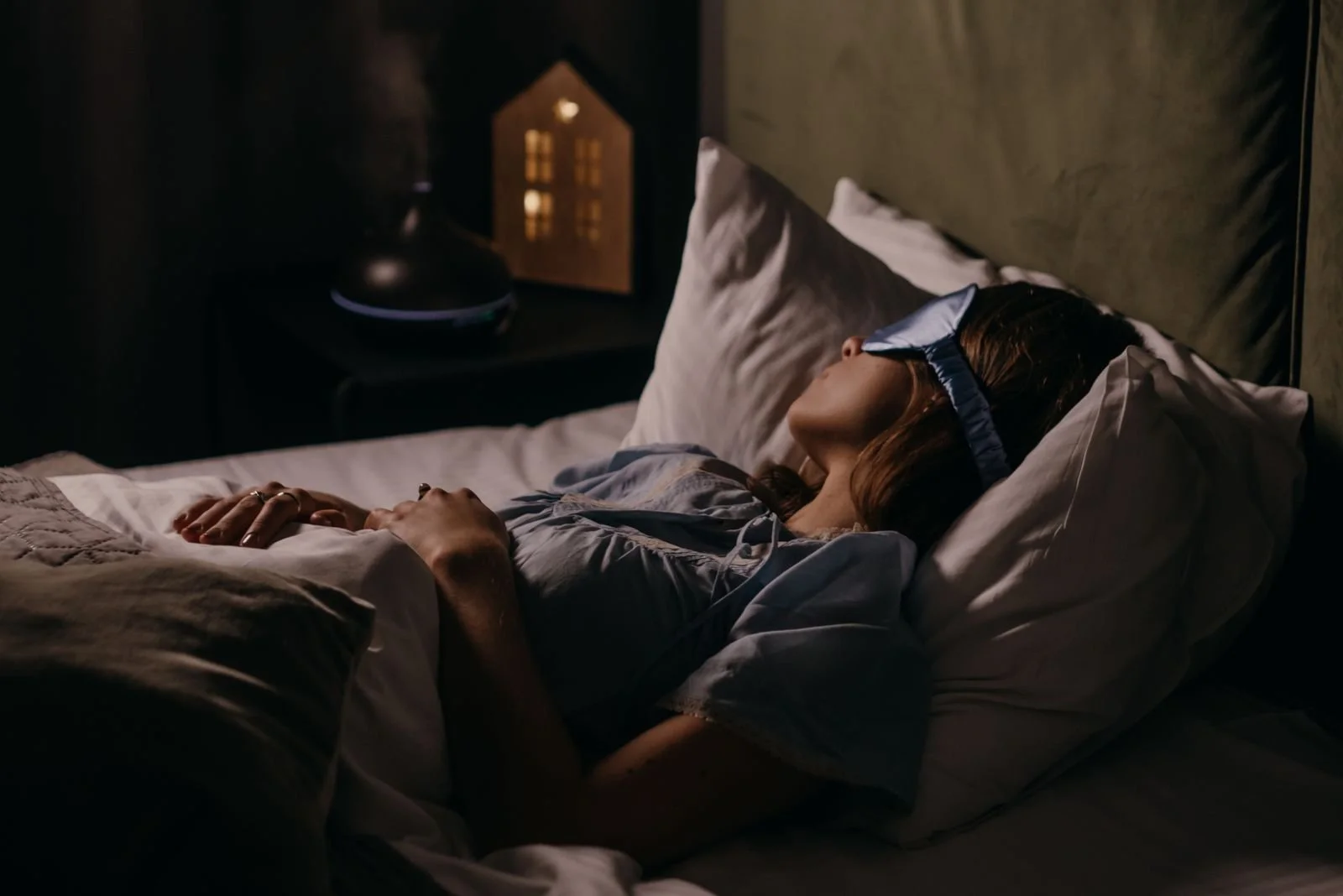
1. Sleep. This is the original recovery tool — the one the whole industry is trying to bottle. Deep sleep is when growth hormone does its repair work, and sleep loss measurably degrades exercise performance, submaximal strength, and the physiological responses that drive recovery (Fullagar et al., 2015, Sports Medicine). Seven to nine hours of decent sleep will outperform any device you can buy, every single night, for free.
2. Nutrition. Adaptation is built out of raw materials, and protein is the big one: a meta-analysis of 49 studies found protein intake meaningfully augmented strength and muscle gains from training, with benefits plateauing around 1.6 g per kg of body weight per day (Morton et al., 2018, British Journal of Sports Medicine). No drip or panel substitutes for eating enough of the right things.
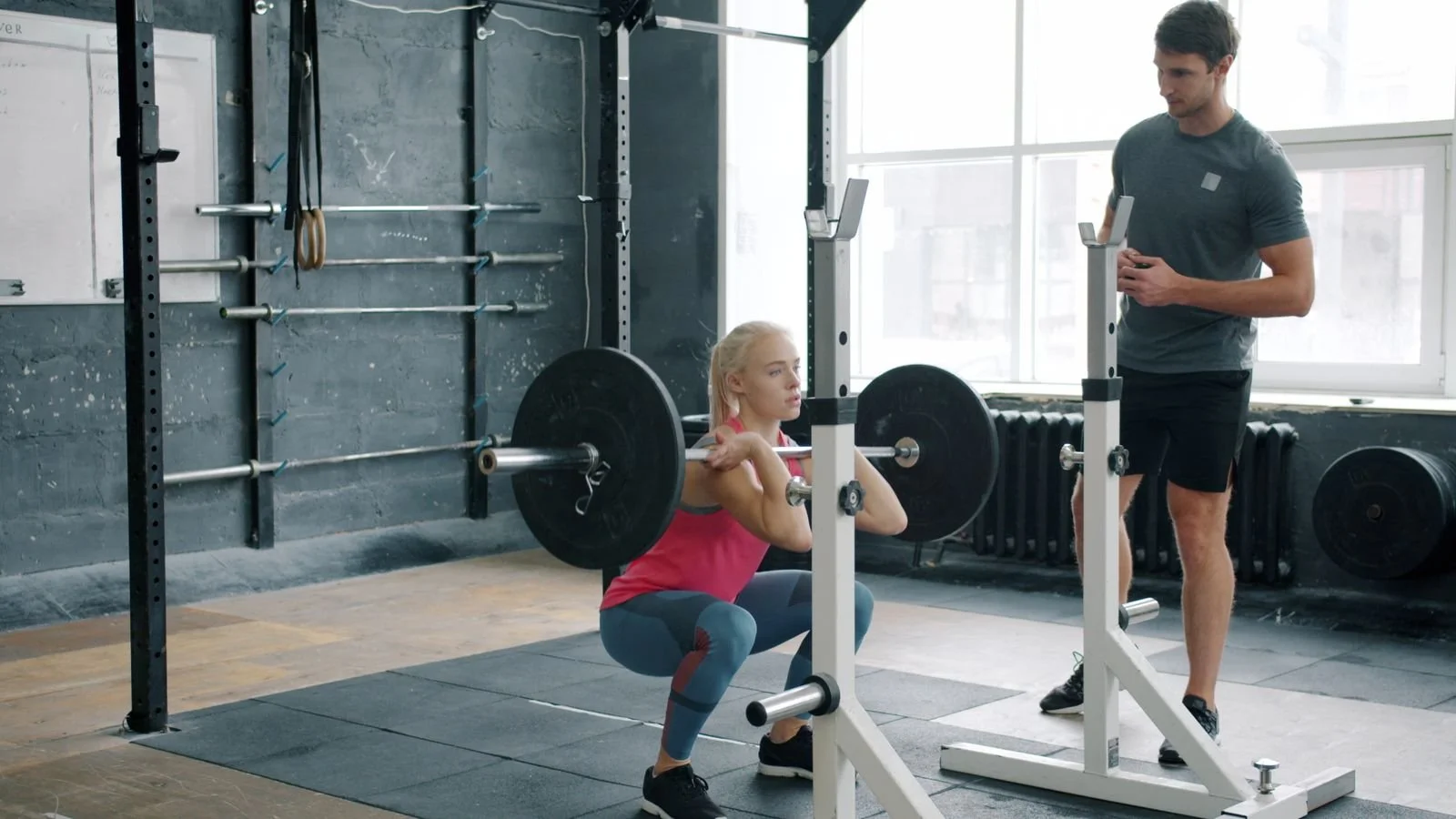
3. Strength training. This is the stimulus everything else serves. Muscle-strengthening activity is associated with roughly 10–17% lower all-cause mortality risk, independent of aerobic exercise (Momma et al., 2022, British Journal of Sports Medicine) — and it's the primary defense against the strength and muscle loss that drives frailty with age. No recovery modality builds strength. Only loading does.
4. Cardiovascular training. Cardiorespiratory fitness is one of the strongest predictors of longevity we have — in a cohort of over 120,000 patients, higher fitness tracked with lower mortality at every level, with no upper limit found (Mandsager et al., 2018, JAMA Network Open). A strong heart and engine underpin everything, including how well you recover between sessions.
Notice what those four have in common: they're habits, not purchases. That's not an accident. The things that move the needle can't be sold to you in a monthly membership add-on, so they get less airtime.
A simple order of operations
Before you spend on recovery, run the honest checklist:
• Did I sleep 7–9 hours last night — and most nights this week?
• Did I eat enough protein today?
• Did I strength train this week?
• Did I get real cardiovascular work in?
If the answer to most of those is yes, then by all means, enjoy the sauna, the plunge, the boots. You've earned the garnish, and it may well help at the margins. If the answer is mostly no, the highest-return move isn't a new device — it's fixing the first "no" on the list. That fix will do more for how you feel than any recovery room ever will.
How we think about it at Kinect Fitness
Our whole approach — strength through intentional movement — is built on the pillars: progressive strength training, coached well, at a pace your body can actually adapt to, inside a week that includes sleep, food, and conditioning. Recovery practices fit around that, not in place of it. If you're not sure where your own order of operations is off, that's exactly what an assessment is for.
1. Free consultation + movement assessment — we look at how you move, where your strength is, and what your current week actually looks like.
2. A plan built on the pillars first — strength and conditioning sequenced around your life, with recovery tools as the finishing touch where they help.
3. Your call on what's next — options are laid out only after the assessment. No package pitch before it.
Graeme Buenaflor has coached post-rehab and corrective-exercise clients for 20+ years, including as a Post-Rehab Specialist at FitnessWISE, post-rehab work at Jacob's Chiropractic and Quality Chiropractic, and working alongside Fast Track Physical Therapy, with whom he shared space and cross-referred clients.
Kinect Fitness and Recovery provides strength and movement coaching, not medical care. Nothing here is medical advice; if something presents as a medical issue — new or worsening pain, numbness, instability — we stop and refer you to a clinician.
Sources
• Dupuy O et al. (2018). An evidence-based approach for choosing post-exercise recovery techniques to reduce markers of muscle damage, soreness, fatigue, and inflammation: a systematic review with meta-analysis. Frontiers in Physiology. https://pubmed.ncbi.nlm.nih.gov/29755363/
• Laukkanen T et al. (2015). Association between sauna bathing and fatal cardiovascular and all-cause mortality events. JAMA Internal Medicine. https://pubmed.ncbi.nlm.nih.gov/25705824/
• Vanin AA et al. (2018). Photobiomodulation therapy for the improvement of muscular performance and reduction of muscular fatigue associated with exercise in healthy people: a systematic review and meta-analysis. Lasers in Medical Science. https://pubmed.ncbi.nlm.nih.gov/29090398/
• Costello JT et al. (2015). Whole-body cryotherapy (extreme cold air exposure) for preventing and treating muscle soreness after exercise in adults. Cochrane Database of Systematic Reviews. https://pubmed.ncbi.nlm.nih.gov/26383887/
• Roberts LA et al. (2015). Post-exercise cold water immersion attenuates acute anabolic signalling and long-term adaptations in muscle to strength training. Journal of Physiology. https://pubmed.ncbi.nlm.nih.gov/26174323/
• Piñero A et al. (2024). Throwing cold water on muscle growth: a systematic review with meta-analysis of the effects of postexercise cold water immersion on resistance training-induced hypertrophy. European Journal of Sport Science. https://pmc.ncbi.nlm.nih.gov/articles/PMC11235606/
• Fullagar HHK et al. (2015). Sleep and athletic performance: the effects of sleep loss on exercise performance, and physiological and cognitive responses to exercise. Sports Medicine. https://pubmed.ncbi.nlm.nih.gov/25315456/
• Morton RW et al. (2018). A systematic review, meta-analysis and meta-regression of the effect of protein supplementation on resistance training-induced gains in muscle mass and strength. British Journal of Sports Medicine. https://pubmed.ncbi.nlm.nih.gov/28698222/
• Momma H et al. (2022). Muscle-strengthening activities are associated with lower risk and mortality in major non-communicable diseases: a systematic review and meta-analysis of cohort studies. British Journal of Sports Medicine. https://pubmed.ncbi.nlm.nih.gov/35228201/
• Mandsager K et al. (2018). Association of cardiorespiratory fitness with long-term mortality among adults undergoing exercise treadmill testing. JAMA Network Open. https://pubmed.ncbi.nlm.nih.gov/30646252/
Book a free movement assessment → https://kinectfitrecovery.com/contact-us
Related: Personal Training in McLean (https://kinectfitrecovery.com/personal-training-mclean-va) · Read the Lift (https://kinectfitrecovery.com/read-the-lift)